Scottish Government’s proposals flounder in deep water
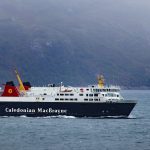
The issue of Highly Protected Marine Areas has almost nudged ferries off the top slot on the local agenda.
Politicians and would-be politicians, local and community councillors, industry leaders and local businesspeople have all been unusually vocal in their opposition to the Scottish Government’s plans to deny pretty much all human activity in at least 10% of Scottish waters by 2026.
Changing fortunes in Holyrood are also giving the issue an unusually large share of the political limelight, with questions and answers kicking the issue first one way and then the other, before finally landing it near, if not into, the long grass.
Despite conflicting statements in the Scottish Parliament, First Minister Humza Yousaf has again confirmed that Highly Protected Marine Areas (HPMAs) will not be imposed in island communities, saying: “This Government will not steamroll through or impose on any community a policy that it is vehemently opposed to.”
On that basis, it is difficult to see where HPMAs could be designated since there is unlikely to be any coastal community that wants them.
Am Pàipear first covered the HPMA proposals at the start of February, setting out the severity of the restrictions and the full extent of their likely impact. The article quoted Angus Campbell, Ludag-based Chair of the Western Isles Fishermen’s Association, who described HPMAs as: “the biggest threat to local fishing in a generation.”
In that same issue, Hector Stewart of Kallin Shellfish Ltd, supplied our monthly Opinion piece, detailing the serious concerns he had about the safety of his business should the HPMAs end up in our waters.
Speaking after the First Minister’s assurances, Mr Stewart said he was pleased to hear the recent change in tone, but warned that the threat to fishing was still very present:
“While it is good to have some recent reassurance that HPMAs will not be forced onto the fishing communities of Uist, there is still much at stake. The list of requirements our fishermen face is ever growing and the sector simply cannot sustain the onslaught of these restrictions. What we need is a moratorium on all designations, not just HPMAs.”
Since that time, more and more voices have joined the call to put a stop to the Government’s plans, with local band Skippinish evening putting that protest to song.
The HPMA issue and the way in which it has been handled highlights two very important truths. The first is that local papers – really local papers – matter; they offer us a chance to focus on the issues that impact us right here in this community, bringing local voices together to drive change. The second is that protest can and does work; when heads are raised above parapets and voices are joined, we have more power in our hands that we realise.