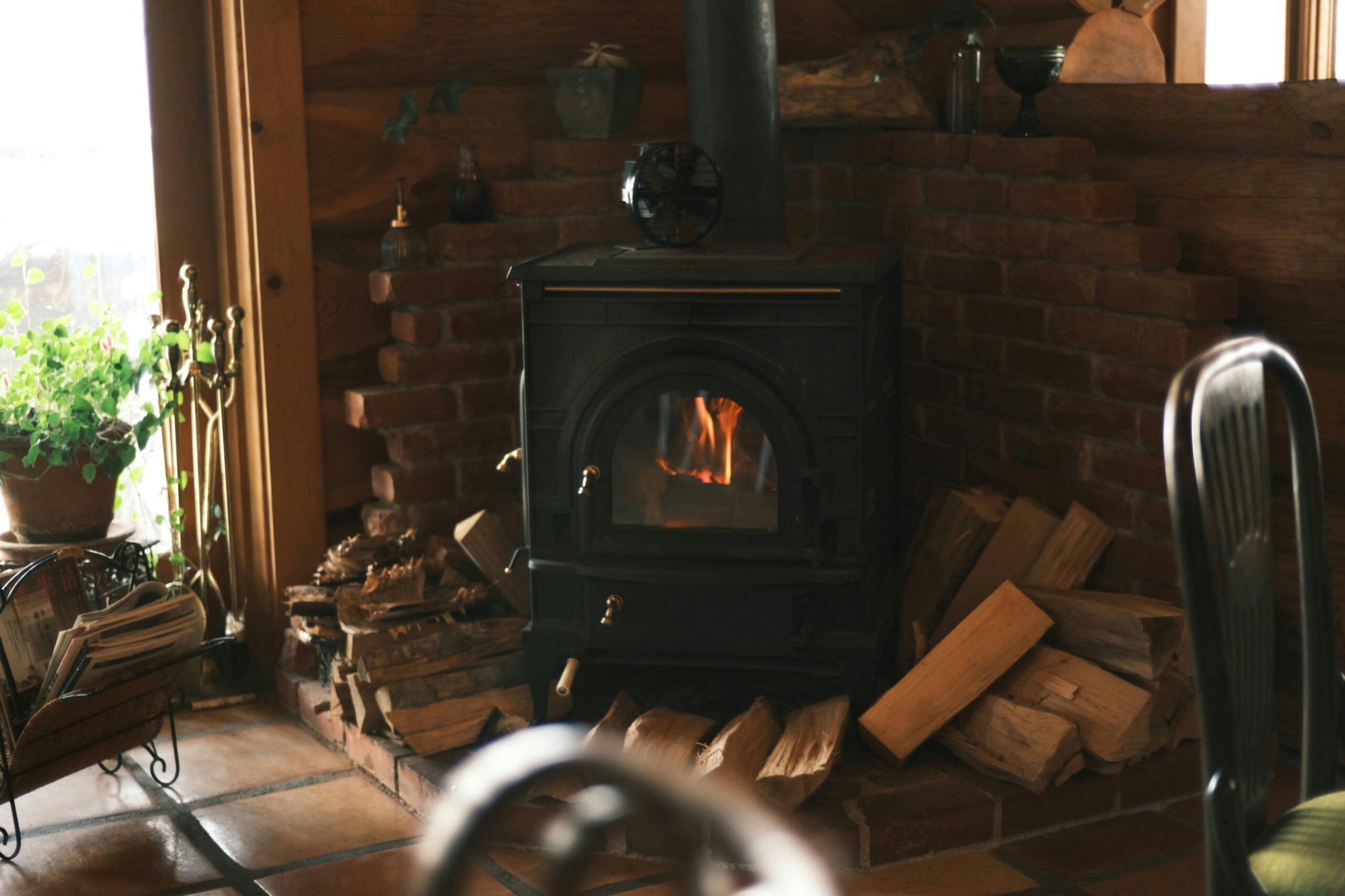
NEW STOVE BAN REGULATIONS FAIL TO DELIVER CLARITY
Scottish Government’s introduction of a New Build Heat Standard has been met with widespread alarm and considerable confusion.
The new regulations apply to new build projects applying for warrant after April 1st and do not pertain to stove installations in existing properties.
A month after coming into force, the full detail of the new regulations is still being unpicked.
Hopes of a get-out clause for the use of solid fuel as an ‘emergency heating’ were dashed when the guidance clarified there would be no such justification in domestic properties.
The Comhairle has confirmed that as things stand, they will have no option but to reject applications that include stoves as an emergency heating source.
The new regulations pertain to building warrants for new build projects, and not to changes made after warrant has been secured. It is not clear what regulation would prohibit the retro-fitting of a solid fuel stove after a house has been signed off.
Cllr. Paul Steele, Leader of Comhairle nan Eilean Siar has written to Scottish Government seeking urgent clarification:
“The definitions within the amendments to the Building (Scotland) Regulations 2004 are confused and confusing. This looks, once again, like an urban style policy being foisted onto island communities without proper consideration of island circumstances. The Comhairle will continue to engage with Government to make the case for island-proofing and to ensure an approach that does not disadvantage islanders.”
The Comhairle has confirmed that of the 20 new build homes in Uist granted warrant last year, the vast majority used Air Source Heat Pumps as the primary source of heating, with around 70% incorporating solid fuel stove as part of the mix.
Senna Volbeda Richardson has moved back to North Uist with her family and is building a new home:
“We managed to get a stove before the ban, however, we would still have tried it on the basis that it is necessary here in the islands. Last year we had a long power cut and our current house only had electric heating and a cooker, so with a young child at the time, we had to live elsewhere until the power came back on.”
The regulation changes were subject to ‘island proofing’ with an Island Communities Impact Assessment; the document covers everything from fuel poverty to supply chain concerns but fails to provide any mention whatsoever of the word ‘peat’.
Labour’s Western Isles Westminster candidate Torcuil Crichton said: “This is another example of policy-making from the warmth of Edinburgh offices with complete ignorance of cold comfort it will mean for people building or converting island homes.”
“Left to stand these regulations will in time mean goodbye to the peat-burning stove and effectively outlaw the tradition of peat-cutting. You only cut peats for one reason – to burn them in your stove and under these regulations having a solid fuel stove in a new house will be against the law.”
The loss of solid fuel stoves will have particular impact in the Western Isles, where, with more than half of residents living in fuel poverty, peat is seen as a free, or almost free fuel.
Angus (Kyles) MacDonald has operated the machine peat cutting service across Uist for a quarter of a century. He told Am Pàipear that while the numbers have declined over the years, demand is still strong:
“We have 140 regular customers on our list, from Locportain in the north to Eriskay in the south. Fifteen years ago we had around 300, so the decline in numbers is clear. Partly that is down to changing regulations and the drive for so called environmentally friendly energy but for the most part, people are just not willing to put in the hard work required to get the peat turned, dried and home.”
“The new rules won’t stop our work. I’ve been cutting peat since I was ten years of age, I’m certainly not going to stop now. As long as there are customers who want it, we’ll be bringing the machine out and cutting peat for them.”