One small garden by Robin Sutton
2020, Covid year with its exhortations to stay at home changed my garden.
Having more time to spend in the garden led me to do less gardening. I’ve always been fascinated by all forms of wildlife particularly insects and other invertebrates – spiders, slugs, snails, centipedes and millipedes and so many others.
I’ve run a moth trap a few times a week for twenty years or so and had largely ignored all the non-moth animals that were attracted to the light. This bycatch, along with the moths, was carefully released into sheltered locations in the garden in the morning but apart from a few easily identified things I didn’t bother recording what I’d caught.
Having more time to spend at home during lockdown, I decided to identify and record as many of the things I was catching as I could and have carried on doing so.
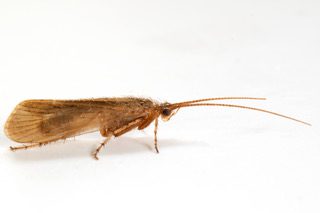
I’m now up to 702 species of insects and other invertebrates from my small garden, including 243 species of moth, 174 species of fly, 81 beetles, 55 bees and wasps, 29 caddisflies and a large variety of others as well. Some of these were real discoveries.
In 2020 I found a caddisfly (Limnephilus pati) that was thought to have been extinct in Great Britain for over 100 years. For a while my garden was the only known location for this insect in the whole of the country but it has now been found at a few locations in East Anglia.
Some of the other finds were species that hadn’t been recorded in the Outer Hebrides at all before, not as rare nationally as my caddisfly but still important finds.
It’s not because my garden is particularly special, its small and, shall I say, lightly maintained, a bit scruffy in other words. But like so many gardens here it is surrounded by land which is still rich in wildlife.
The relatively low levels of agricultural intensification that characterise the crofting land of the Outer Hebrides means that we still have countryside rich in all sorts of plants and animals.
Some of that richness leaks into my garden. That rare caddisfly I found doesn’t breed in my garden but is present in the ditches and other watery areas of the surrounding area and just happened to be attracted to the light of my moth trap.
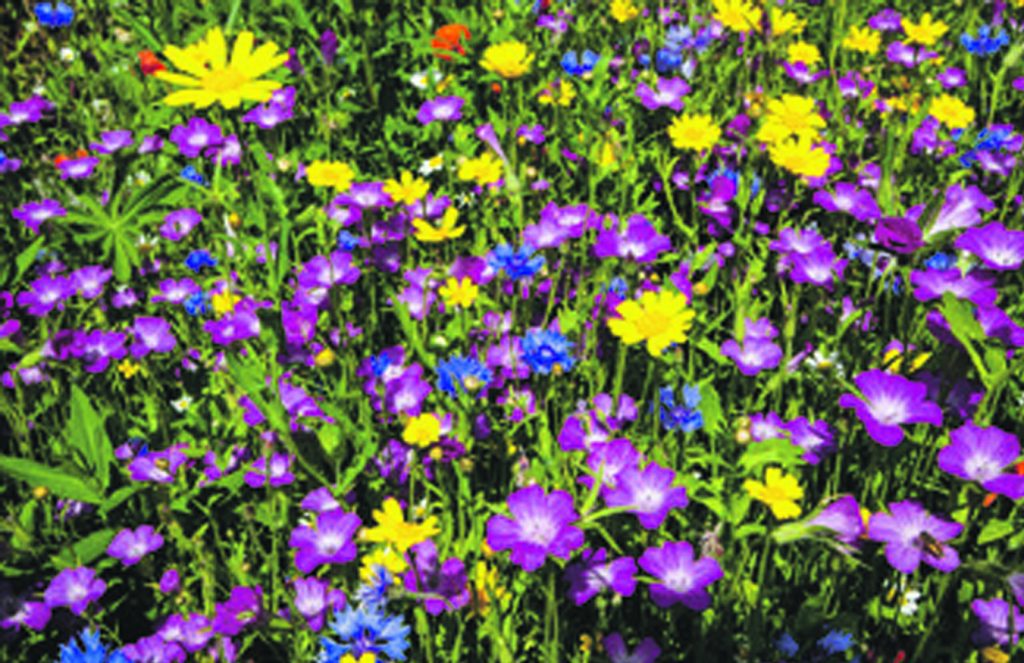
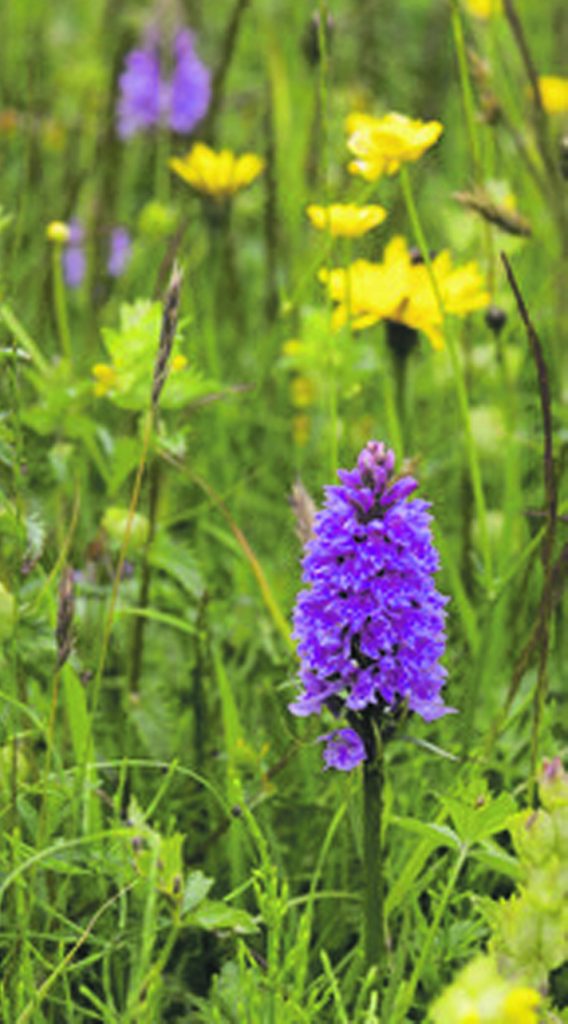
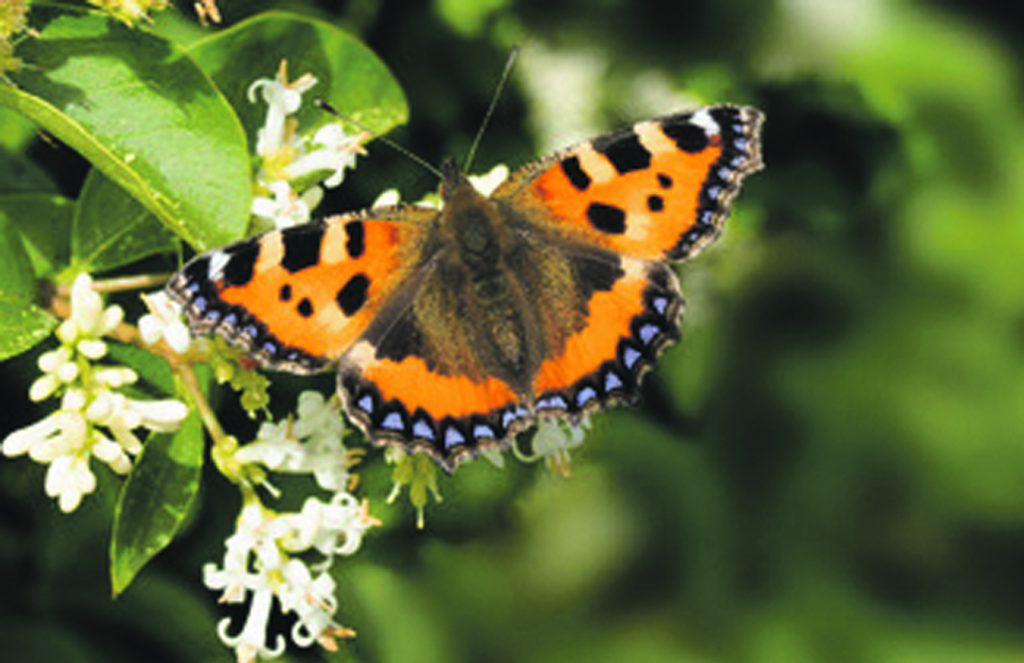
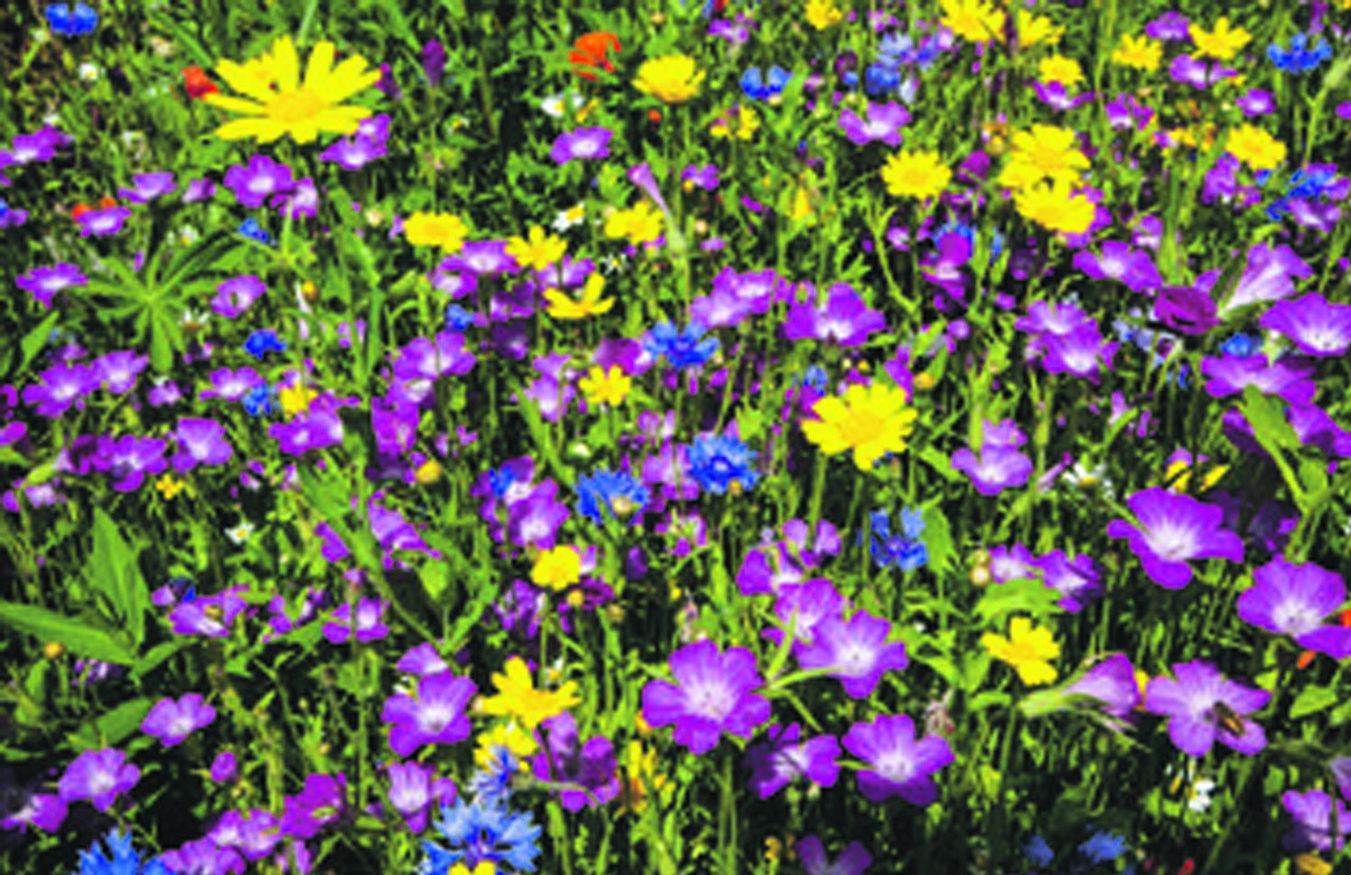
I did decide though that I could make my garden more attractive to wildlife. I stopped cutting the grass on my front lawn and there are now lots of Common Spotted Orchids and many other native plants growing there each year. I started using wild flower seeds in the flower beds instead of more formal garden varieties. I don’t get rid of the dandelions in the flower beds until they’ve finished flowering – dandelions are a crucial source of early pollen and nectar for bees and the seeds feed an increasing number of goldfinches, linnets and redpolls. I leave the privet hedges to grow until the end of the year. They provide nesting sites for birds and privet flowers are a really good source of nectar for late flying bees and butterflies.
Doing less has proved to be very productive in terms of the wildlife of my garden.