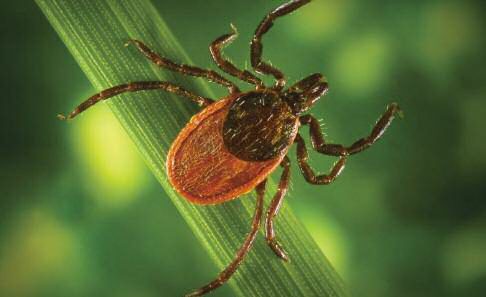
Highest per capita cases in Uist
Local public health officials have warned people living in and visiting the Western Isles to take extra precautions to protect themselves from tick bites and to avoid being exposed to Lyme disease.
Lyme Disease is a serious illness and if not caught early and treated well, it can have devastating and long lasting impacts.
The classic bullseye rash associated with the disease is not always present, making it hard to know if infection has struck.
Isabell MacInnes, Health Protection Nurse for NHS Western Isles said: “We are coming into one of the busiest times of the year for tick activity. This is important because of the diseases, such as Lyme disease, that ticks can transmit to people. We want to encourage everyone to enjoy the outdoors and all that the Western Isles has to offer. However, if you or your family are out and about, particularly in areas of rough grass and undergrowth, make sure you know how to protect yourself from being bitten and how to check each day for ticks.”
Uist has one of the highest rates of Lyme disease infections in Scotland, with 36 confirmed cases in 2021 – relative to the number of people living there, that is more than 20 times the national average. The Uist figure makes up 80% of all cases in the Western Isles, with just 8 confirmed cases in Lewis, 1 in Barra, and none in Harris.
Understanding why the Uists are so severely impacted by the disease is one of the key drivers for academic research, led by Professor Roman Biek and his team at Glasgow University.
The Glasgow University researchers working in Uist found that 1 in 15 ticks here were infected with the bacterium that causes Lyme Disease.
Tick Scotland estimates that only 20-40% of Lyme Disease cases are referred for clinical confirmation, and believes the rates of infection are higher than the reported data suggests.