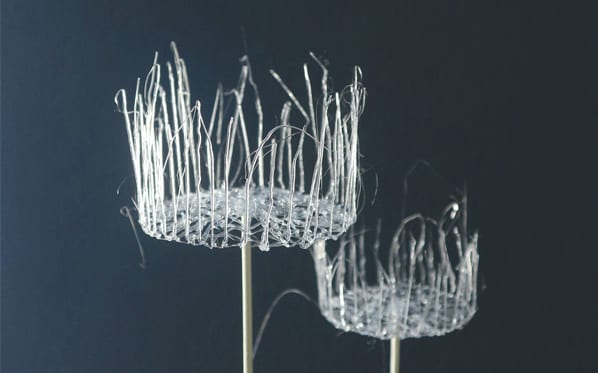
Scientists and artists collaboration invites audience to Think Plastic
Taigh Chearsabhagh is to host a show centred around environmental questions this summer, the first in a series of activities about the climate crisis planned in the lead up to COP26, the United Nations climate change conference due to be held later this year in Glasgow.
Think Plastic, a touring exhibition from the Royal Botanic Garden Edinburgh, will open at the North Uist arts centre on 12th June 2021 and remain there until 28th August 2021.
Think Plastic combines art and science to provoke thought about plastic consumerism, an all the more pressing concern with the increase in single use plastic consumption during the time of COVID-19. Taigh Chearsabhagh will run a public engagement programme alongside the exhibition, which will encourage people to consider their own choices to minimise the impact on the environment and climate, an issue of particular significance in the Outer Hebrides.
Scottish ceramists Lorna Fraser and Carol Sinclair decided two years ago to look at the environmental impact of porcelain usage and question if alternative, less environmentally damaging alternatives were available. Soon they started to engage other specialists in an exciting new project that would become Think Plastic.
Lorna and Carol collaborated with fellow artists Fiona Hutchison, Fiona Pilgrim and Carla Edwards, along with scientists including Dr Peter Wilkie, tropical taxonomist at the Royal Botanic Garden Edinburgh, to create the exhibition which, through works of art and jewellery, presents plastic as a valuable and often misunderstood product.
Professor Mike Shaver of the University of Edinburgh Green Materials Laboratory also worked with the group along with his students Hatti Chisnall and Emily MacDonald.
Dr Peter Wilkie explained: “I got involved with the exhibition through my research on tropical tree family Sapotaceae and in particular Palaquium gutta, which produces a brilliant white latex, gutta percha, widely recognised as one of the first natural plastics and a precursor to synthetic alternatives.
“With financial help from the ‘Friends of the Royal Botanic Garden Edinburgh’ some new and sustainably produced gutta blocks were purchased from the Tjipetir Plantation in Indonesia and they have been used by Lorna and Carol to form part of the exhibition. Their work encourages us to think about the production, degradation and sustainable use of plastic and how our choices can impact on the climate emergency and biodiversity crises we face today,’’ continued Dr Peter Wilkie.
Amy Porteous from the Royal Botanic Garden Edinburgh said it is important as many people as possible see Think Plastic: “It felt necessary at the time of its inception, but that urgency has multiplied tenfold. COVID-19 has had a devastating impact on how we value plastic.
Governments around the world have delayed or backtracked on policies to reduce plastic consumption and single-use plastic, in the form of personal protective equipment and packaging, has skyrocketed,” commented Ms Porteous.
Taigh Chearsabhagh is to run a ‘Message in a Bottle’ project as part of the engagement programme associated with Think Plastic. Individuals on the islands and further afield will be invited to salvage a plastic drinks bottle from the shore, write a message about the climate crisis addressed to politicians and polluters to go in the bottle, film themselves doing so and send the video to Taigh Chearsabhagh for inclusion in a multimedia installation at COP26.
Taigh Chearsabhagh is now open Monday to Saturday from 10am to 4pm. Further information about exhibitions, events and activities is available on the website (www.taigh-chearsabhagh.org) or on Facebook.